
The question
When does gobbling peak, and does the season fall on it? How many nesting attempts does a hen make, how many succeed, what share of broods survive, and what are annual survival and harvest rates for males and females?
Methods
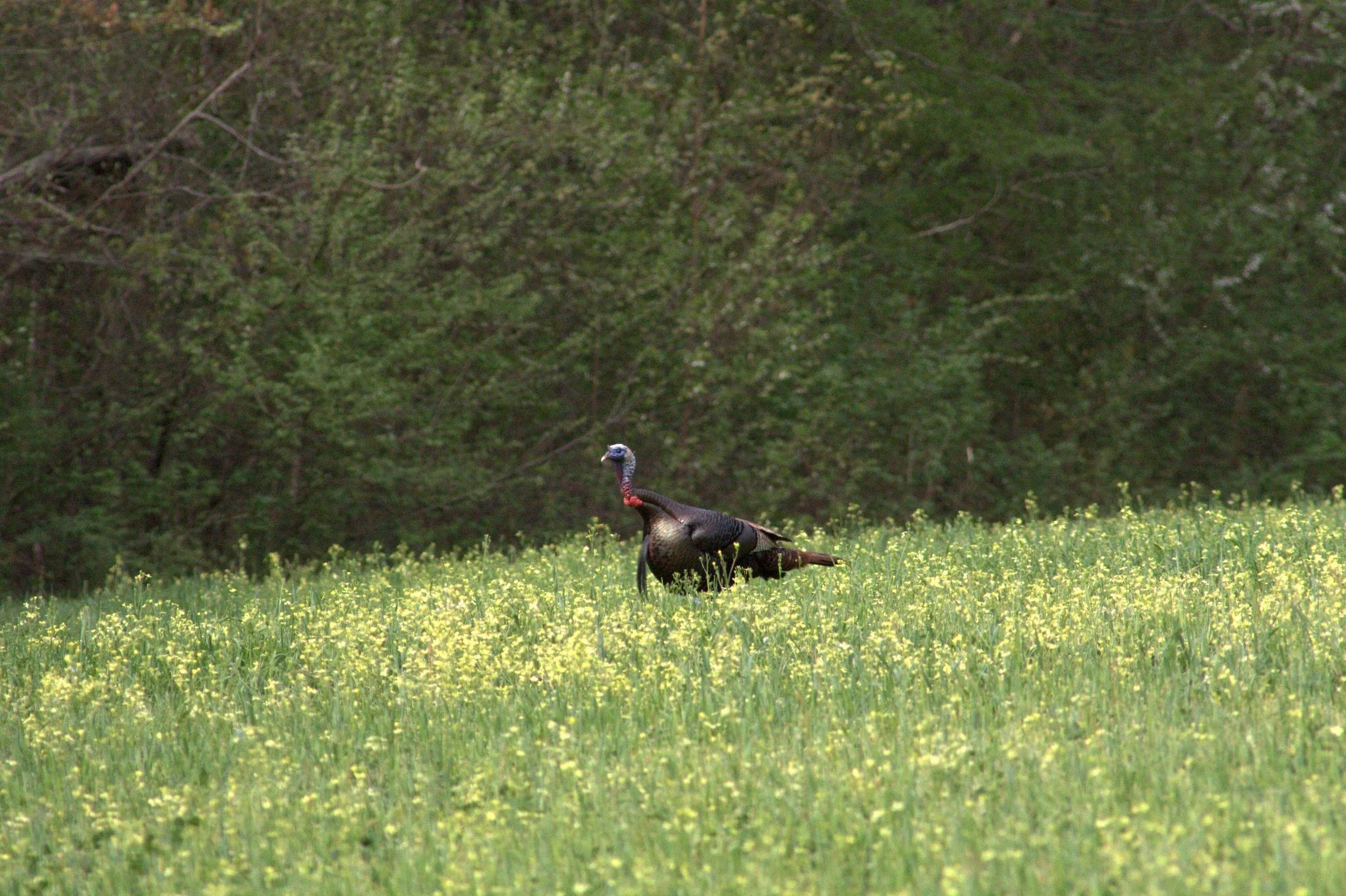
GPS transmitters on hens record locations every fifteen minutes, year-round; autonomous recording units monitor gobbling. The study captures hens, collects blood for genetics and disease, follows nesting and brood-rearing, and maps seasonal habitat use.
TFT's funding expanded the work to males: in the 2023 field season the team captured and tagged 13 jakes and 11 toms, aiming for twenty or more tags on males each year and data on sixty or more toms by the end, enough to give the state a real estimate of harvest rates. The Muhlenberg County site is one focus; the southwest of the state is where concern about decline is sharpest.
Preliminary findings reported in 2025
Results were preliminary and were described as raw percentages in April 2025, ahead of the final field season. One finding came from Brood XIX: in 2024 a higher proportion of GPS-tagged hens attempted nests, more nests hatched, and more poults survived their first month than in the 2023 baseline, and re-nesting success improved, according to Zak Danks, KDFWR's turkey and grouse coordinator.
Why it matters
Agencies set season dates, lengths and bag limits. This study is designed to speak directly to those decisions.