Nesting and brood habitat
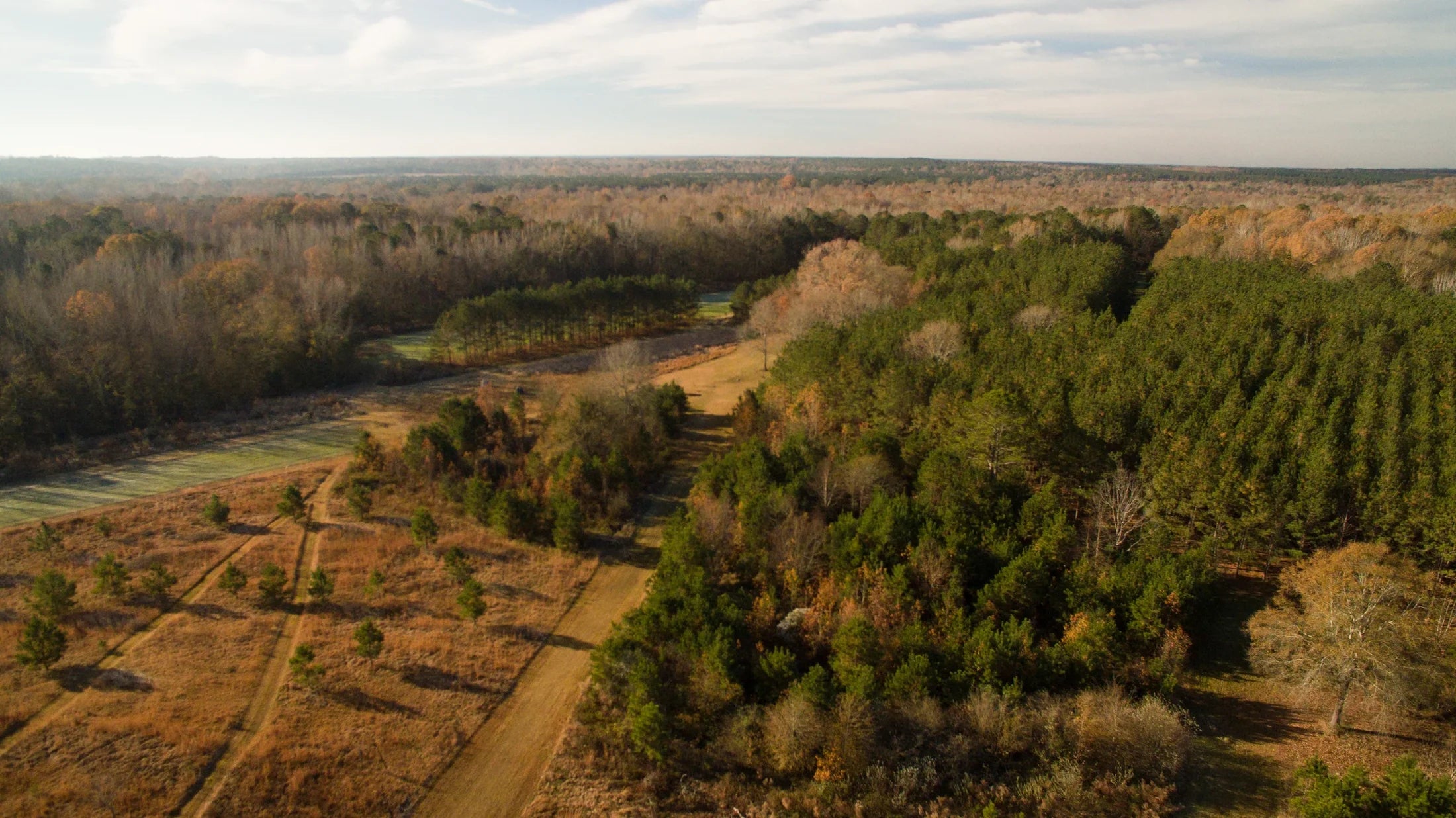
Hens need cover that conceals their nests. Young poults need insect-rich feeding areas with vegetation that shelters them while leaving room to move at ground level. A useful habitat plan provides both nesting and brood cover, alongside food and roosting trees.
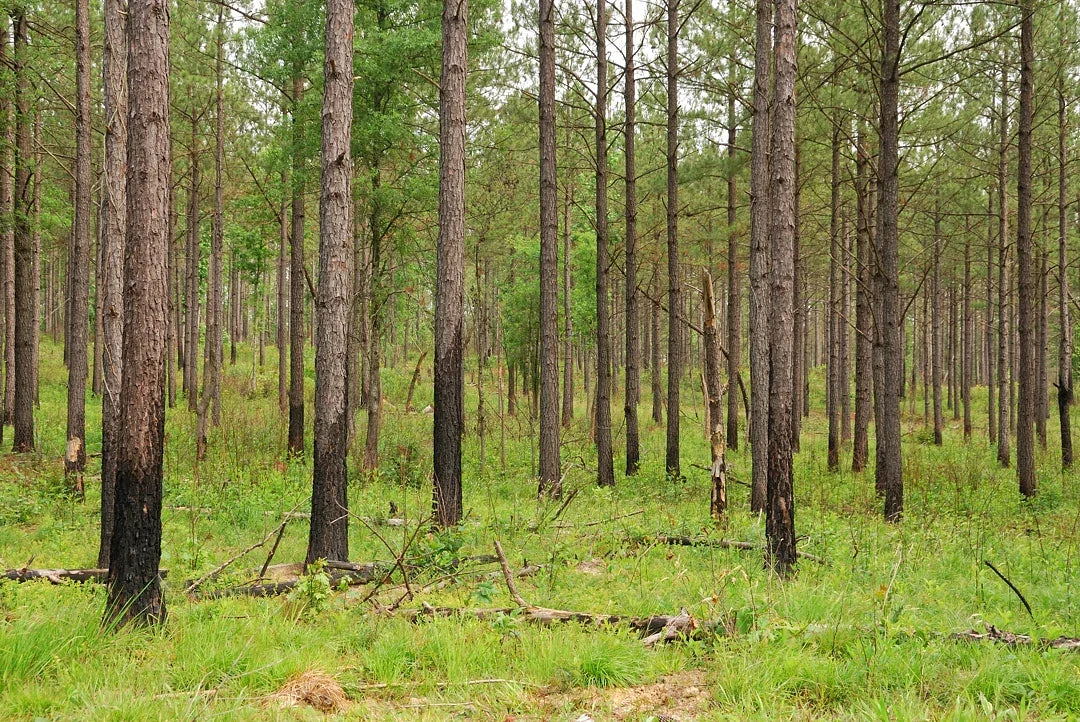
Thinning, prescribed fire and other carefully planned work can help maintain these conditions. The right treatment depends on the property and the vegetation already there.
Private land
Private landowners play a central role in turkey conservation. The Private Landowner Cooperative sends a TFT professional to walk a property, identify what is limiting turkeys, and write down what to do first. Neighbors can coordinate; signage marks cooperating properties.
Public land
Local flocks fund habitat work on public ground. In Pennsylvania, three flocks funded winter wheat on 87 acres of tornado-damaged Moshannon State Forest toward a goal of about 300 acres, and TFT is funding herbaceous openings in the Weiser State Forest's Big Mountain project with the Ruffed Grouse Society.
Research that guides it
The Oklahoma prescribed-fire study and the Auburn feeder study exist to give landowners better instructions. See the Landowner Toolbox.