
The bird
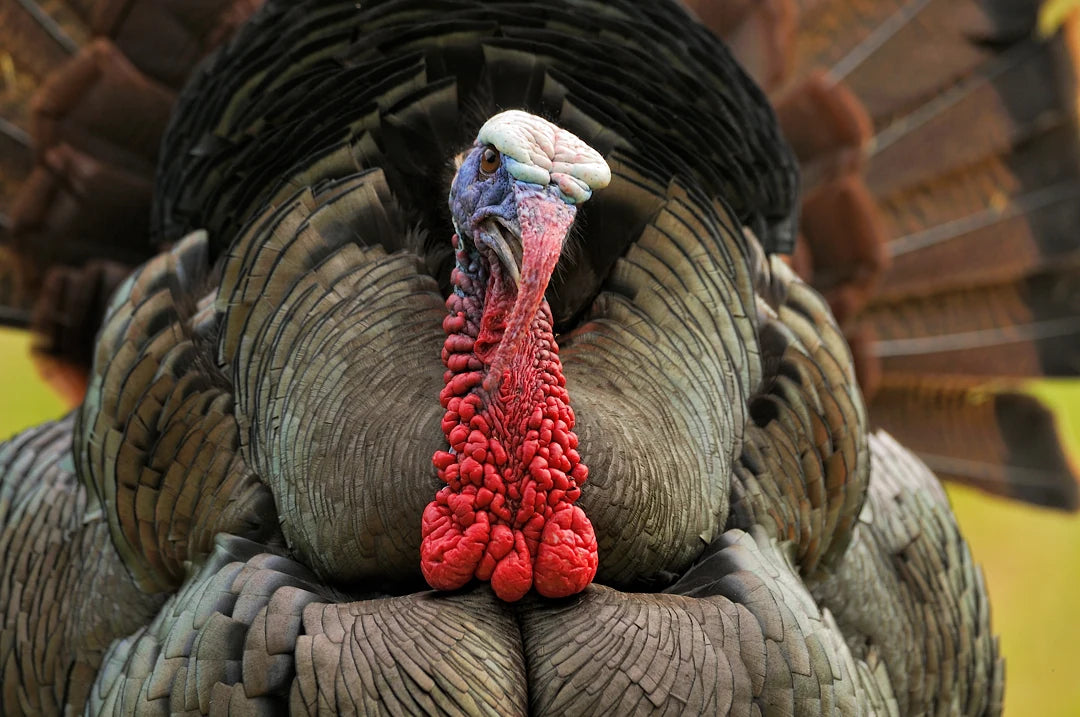
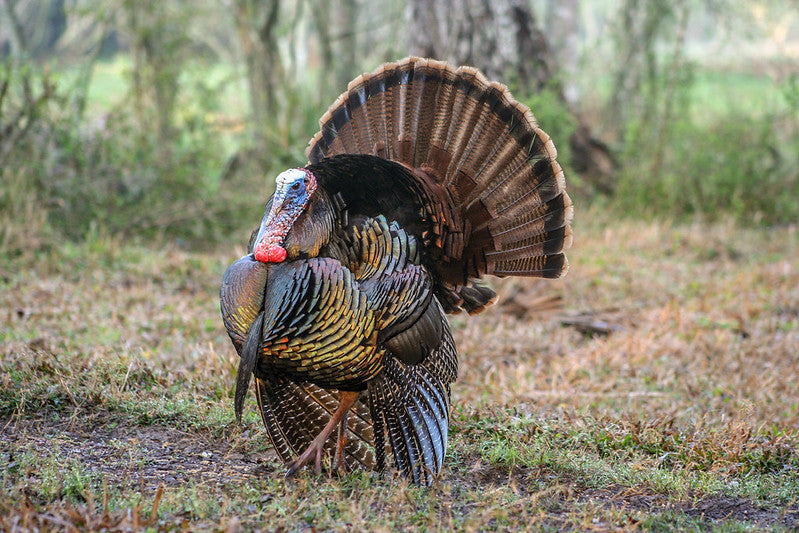
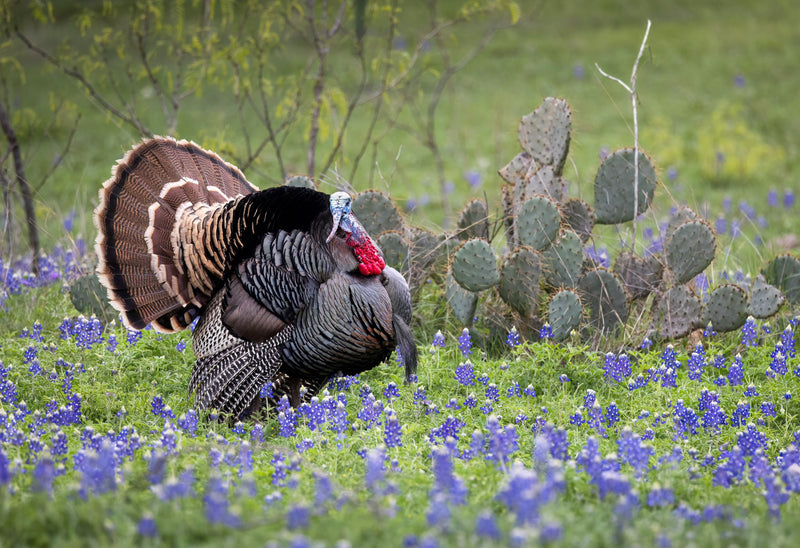
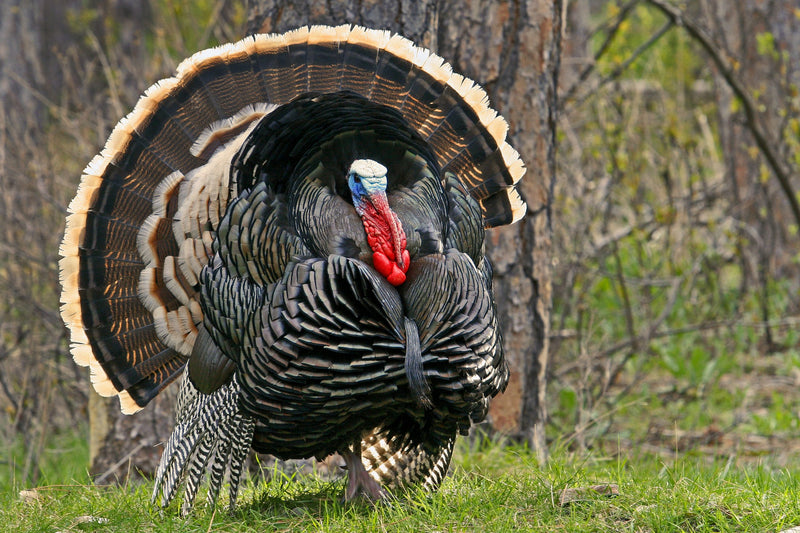
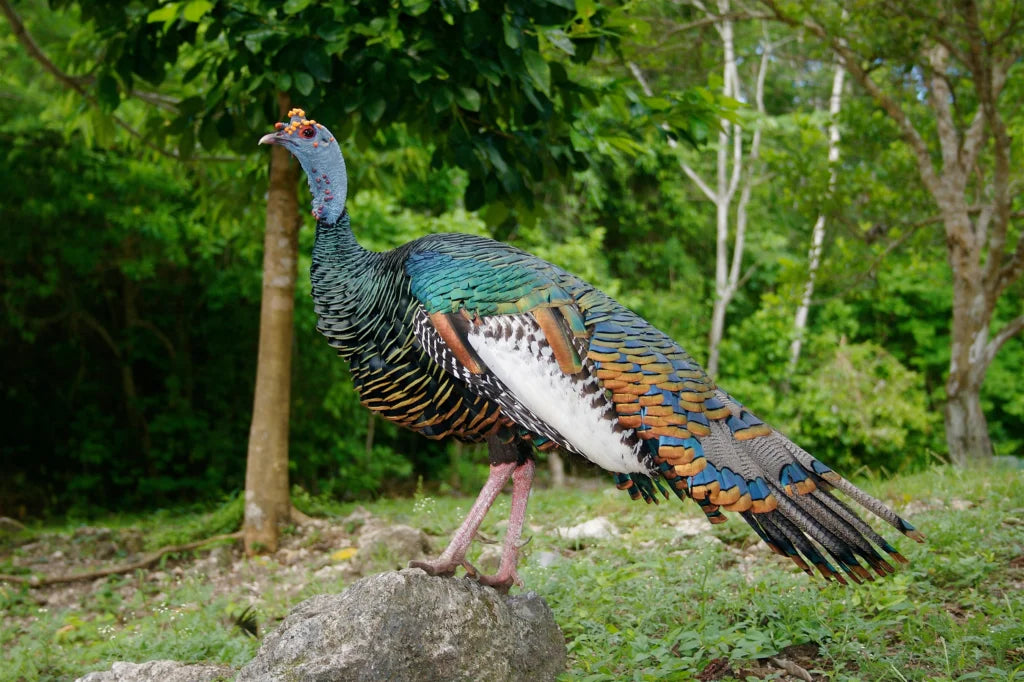
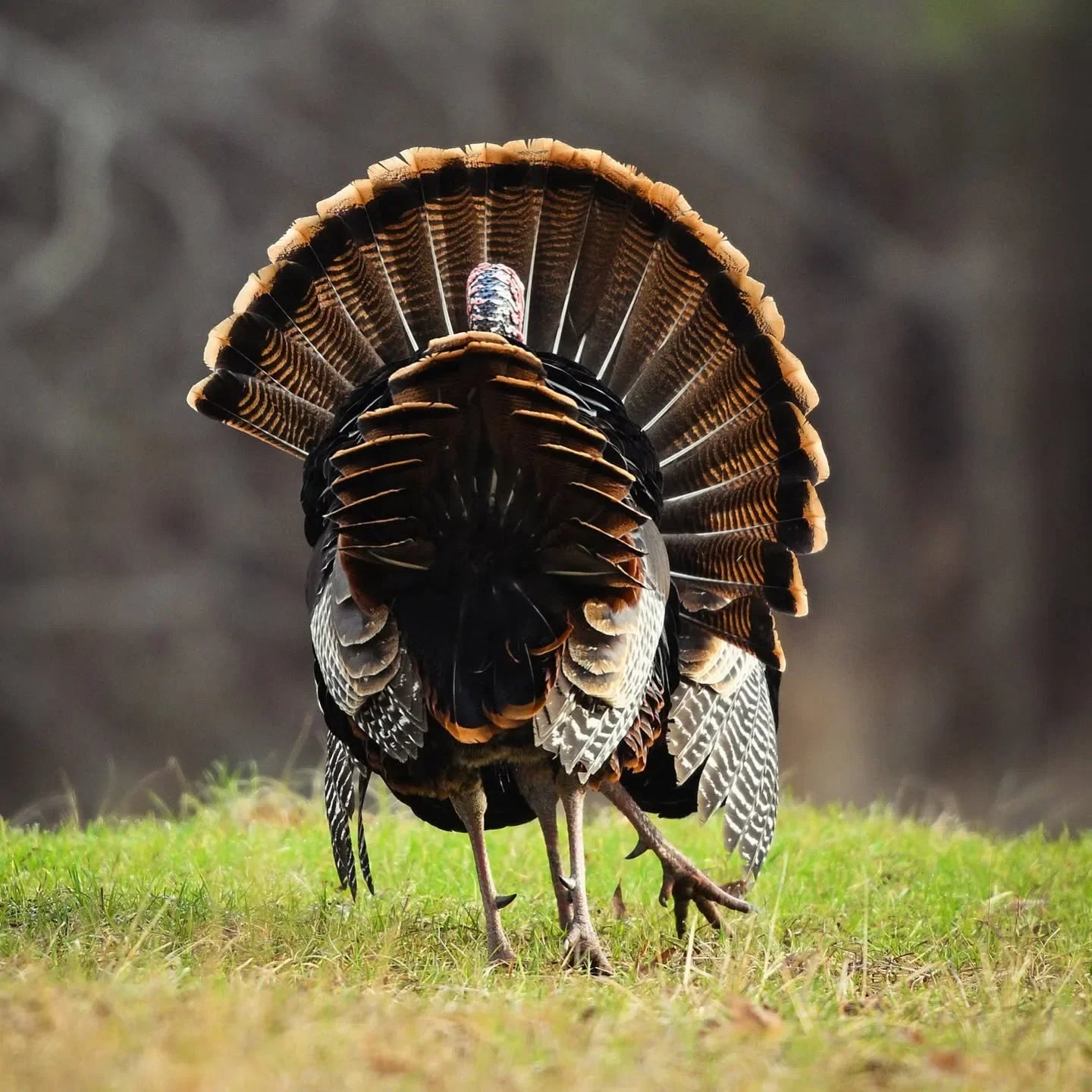
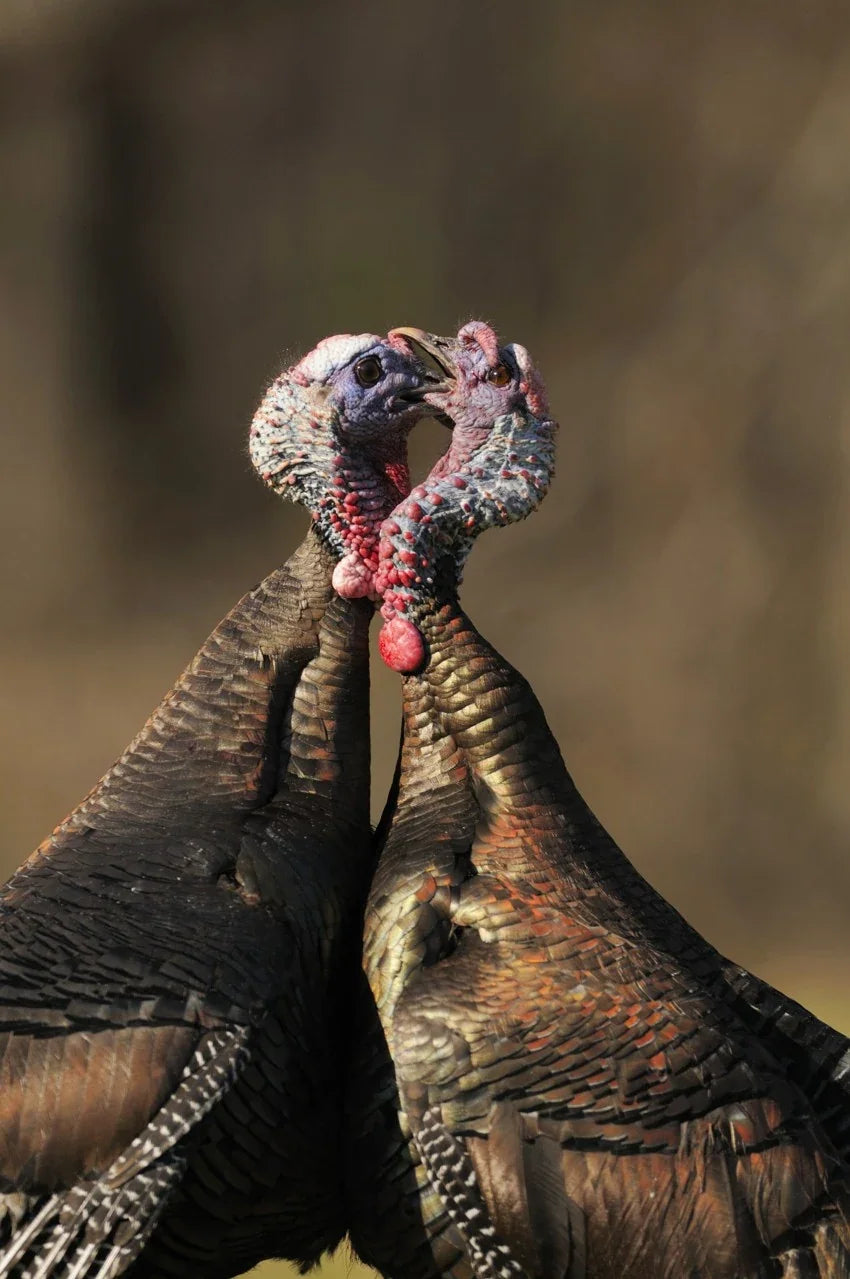
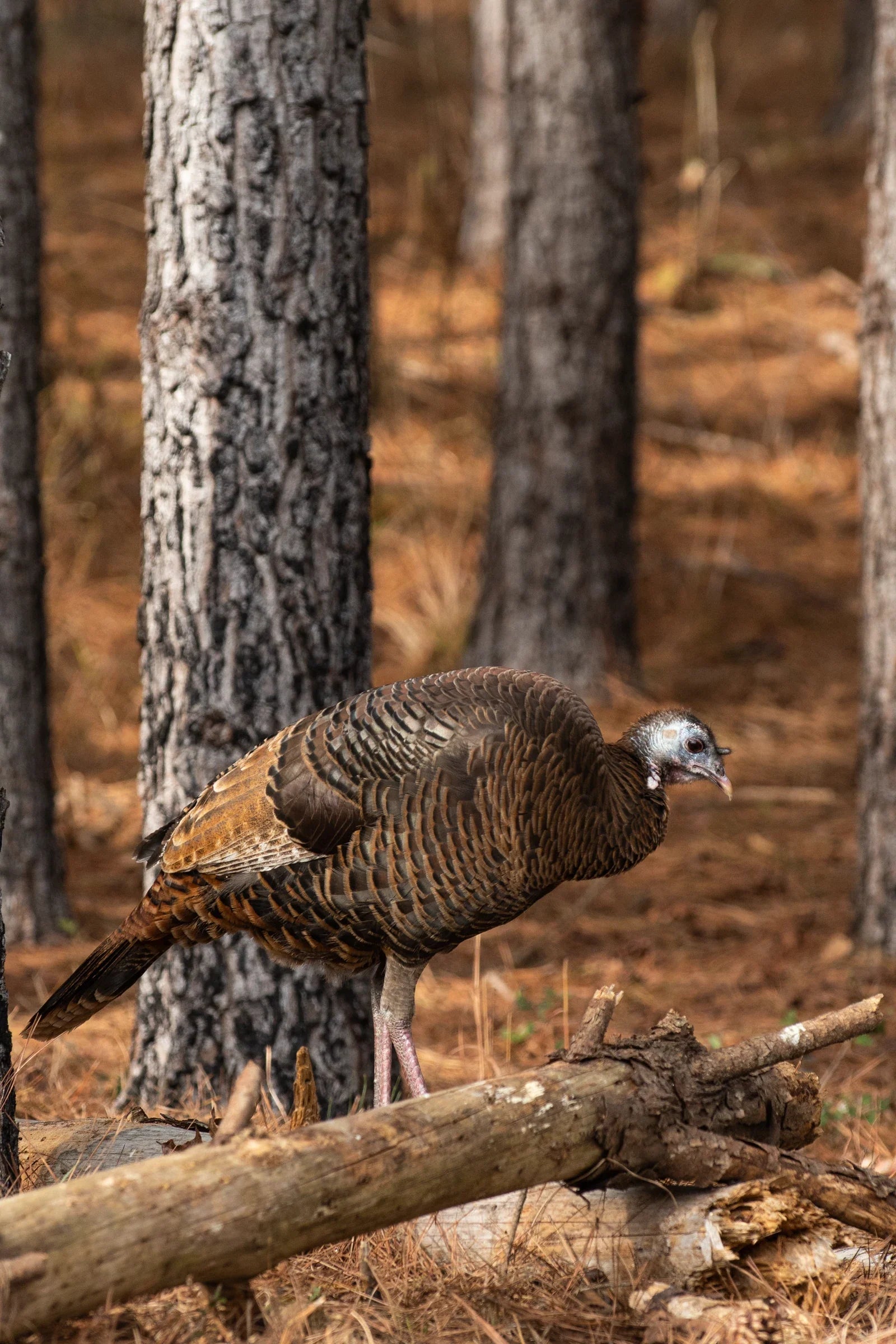
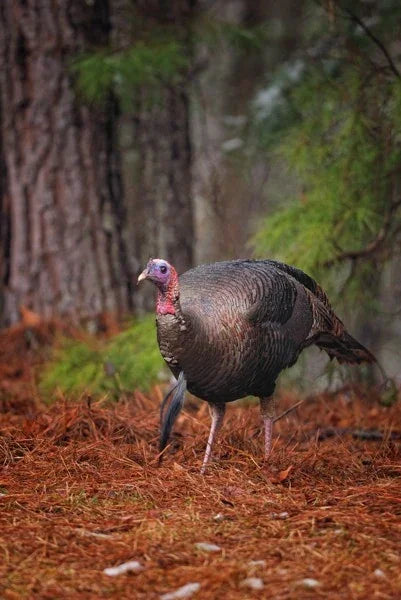
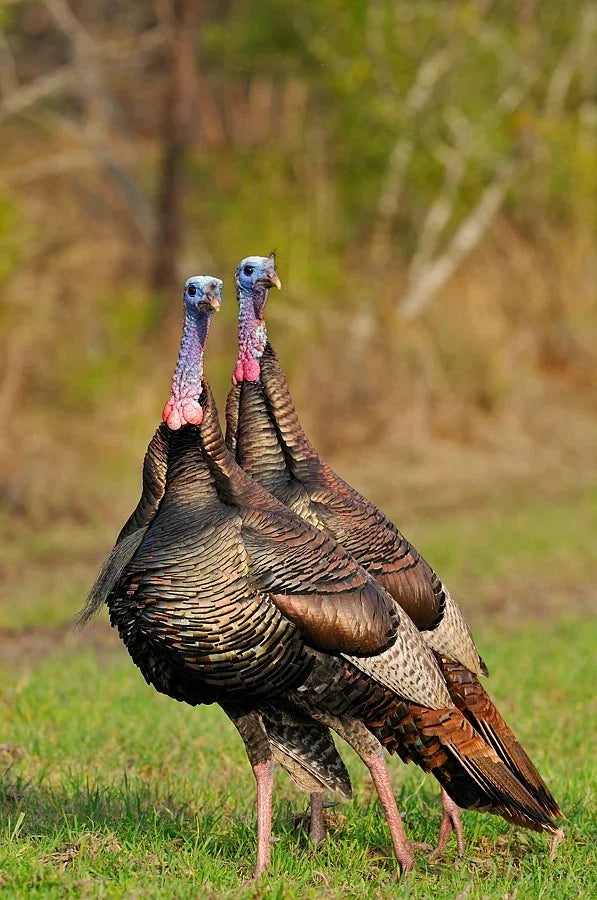
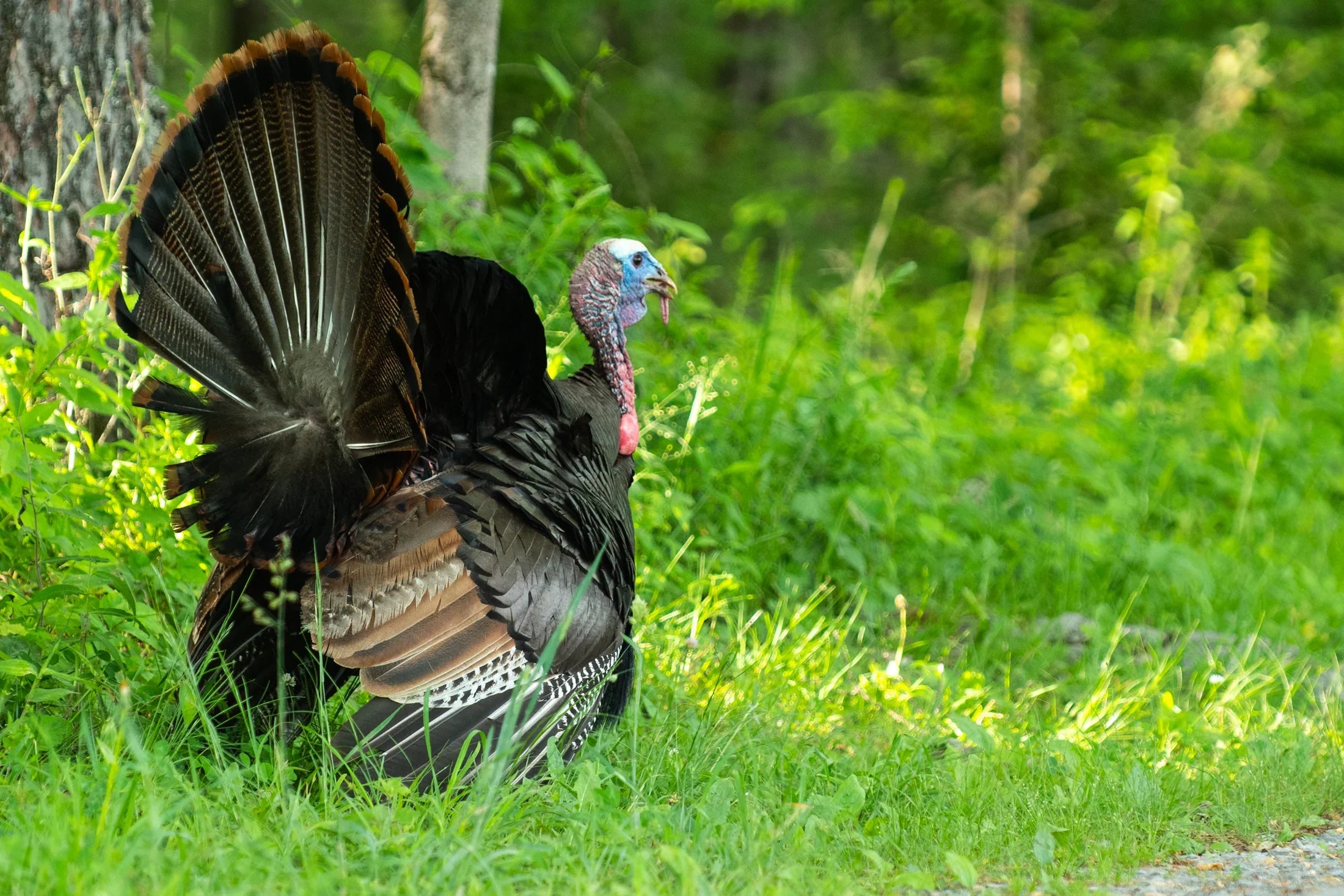
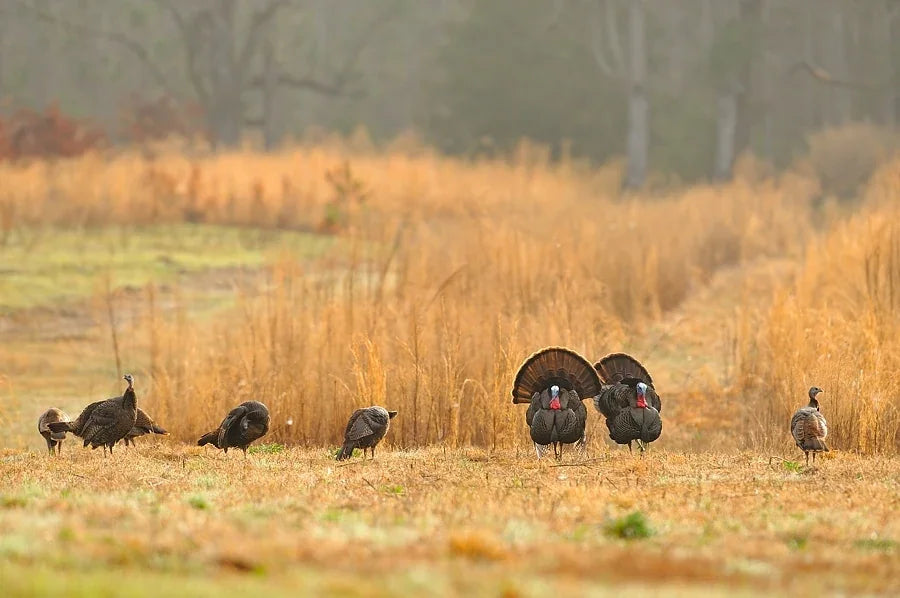
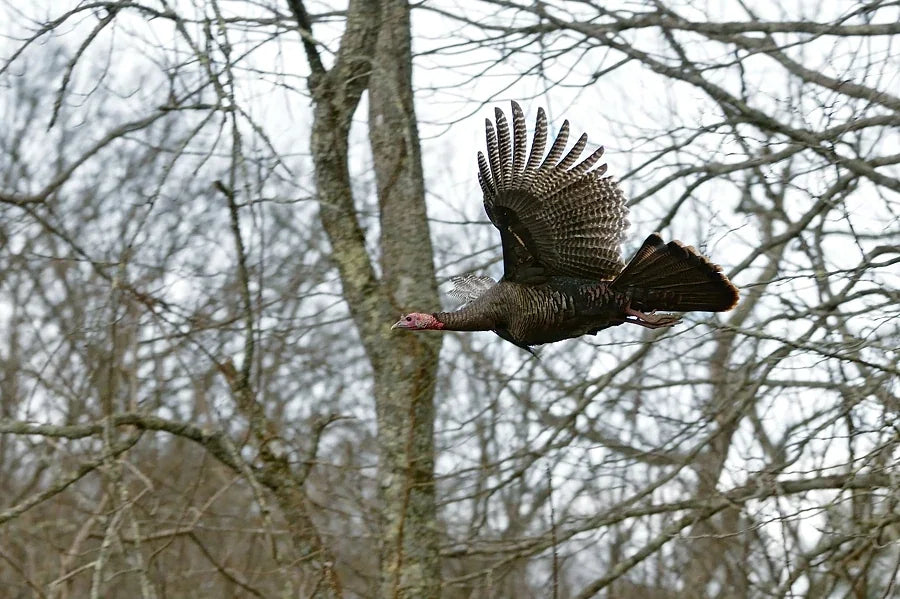
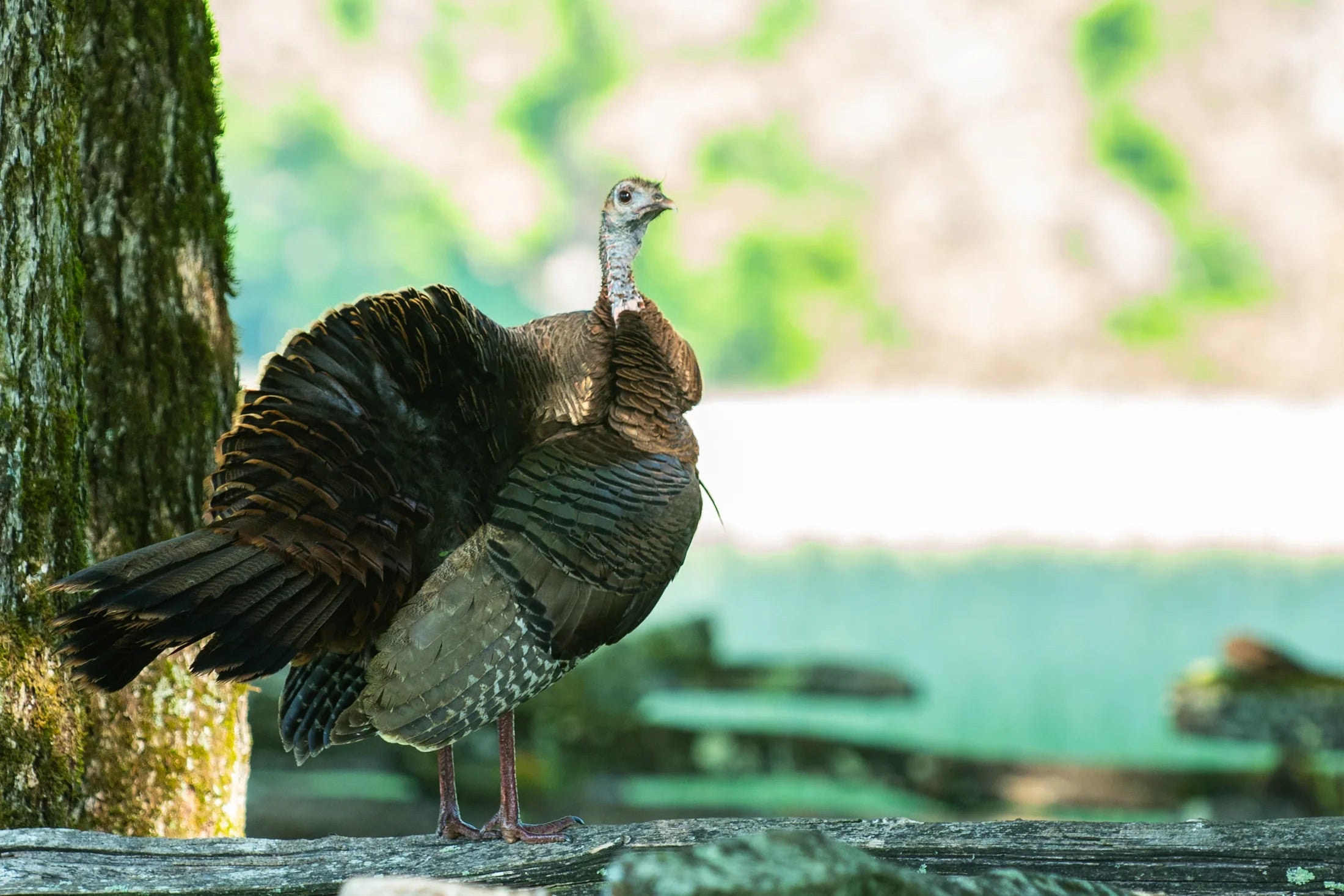
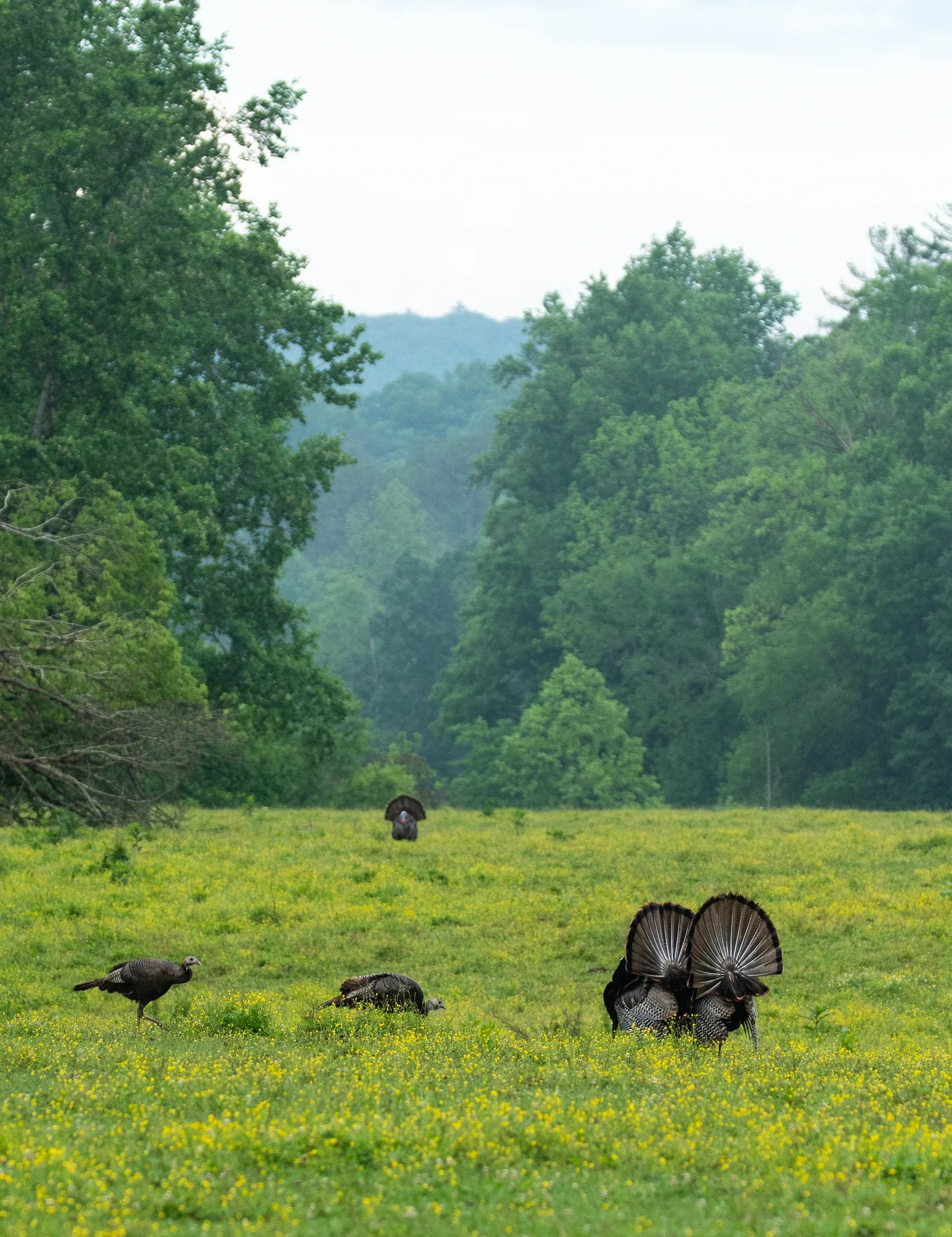
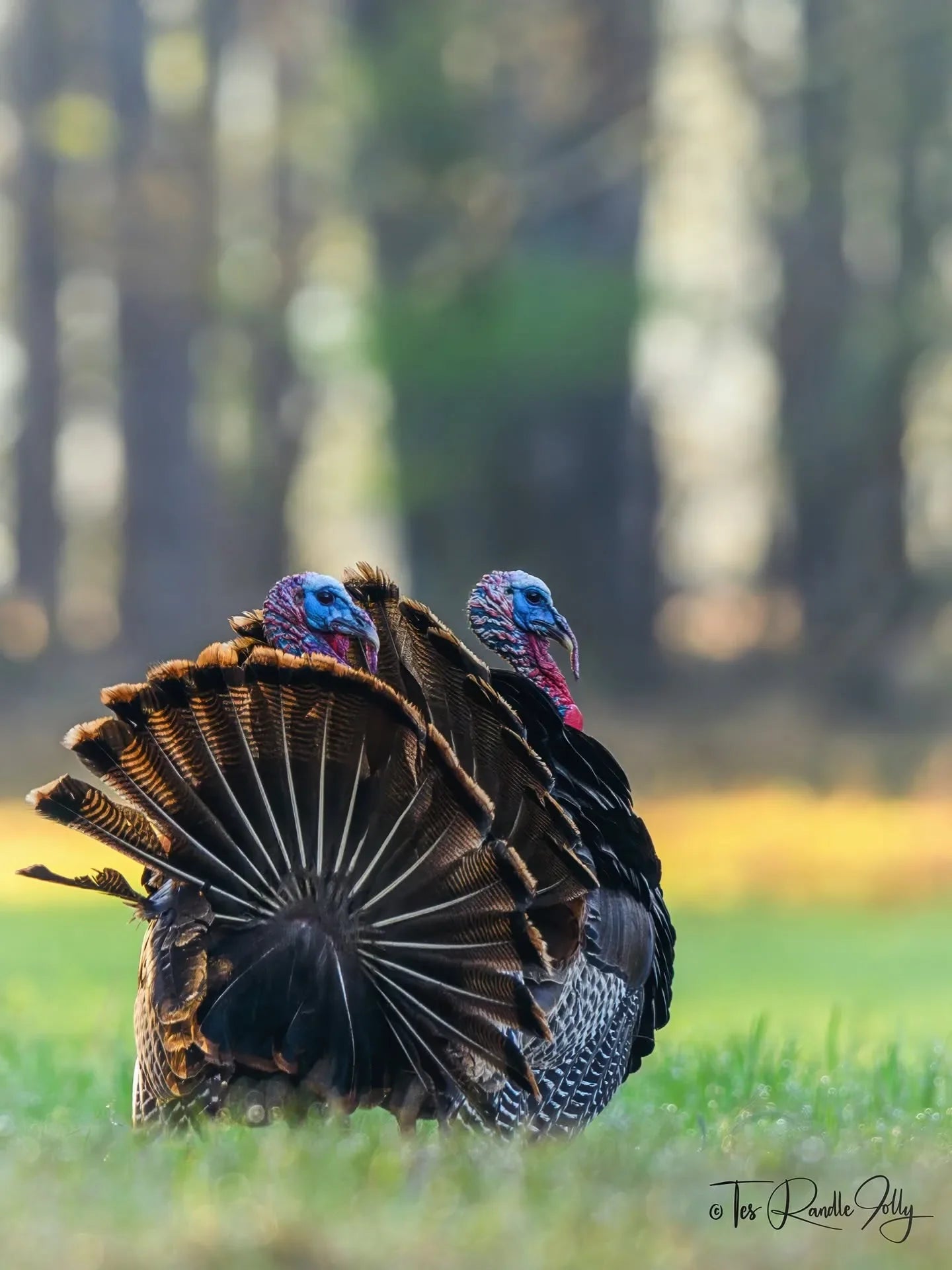
Wild turkeys spend much of the day feeding on the ground and usually roost in trees at night. Gobblers display with a fanned tail, lowered wings and a bright head. Five recognized subspecies occupy different parts of North America. The ocellated turkey of Mexico and Central America is a separate species.
A year in the life
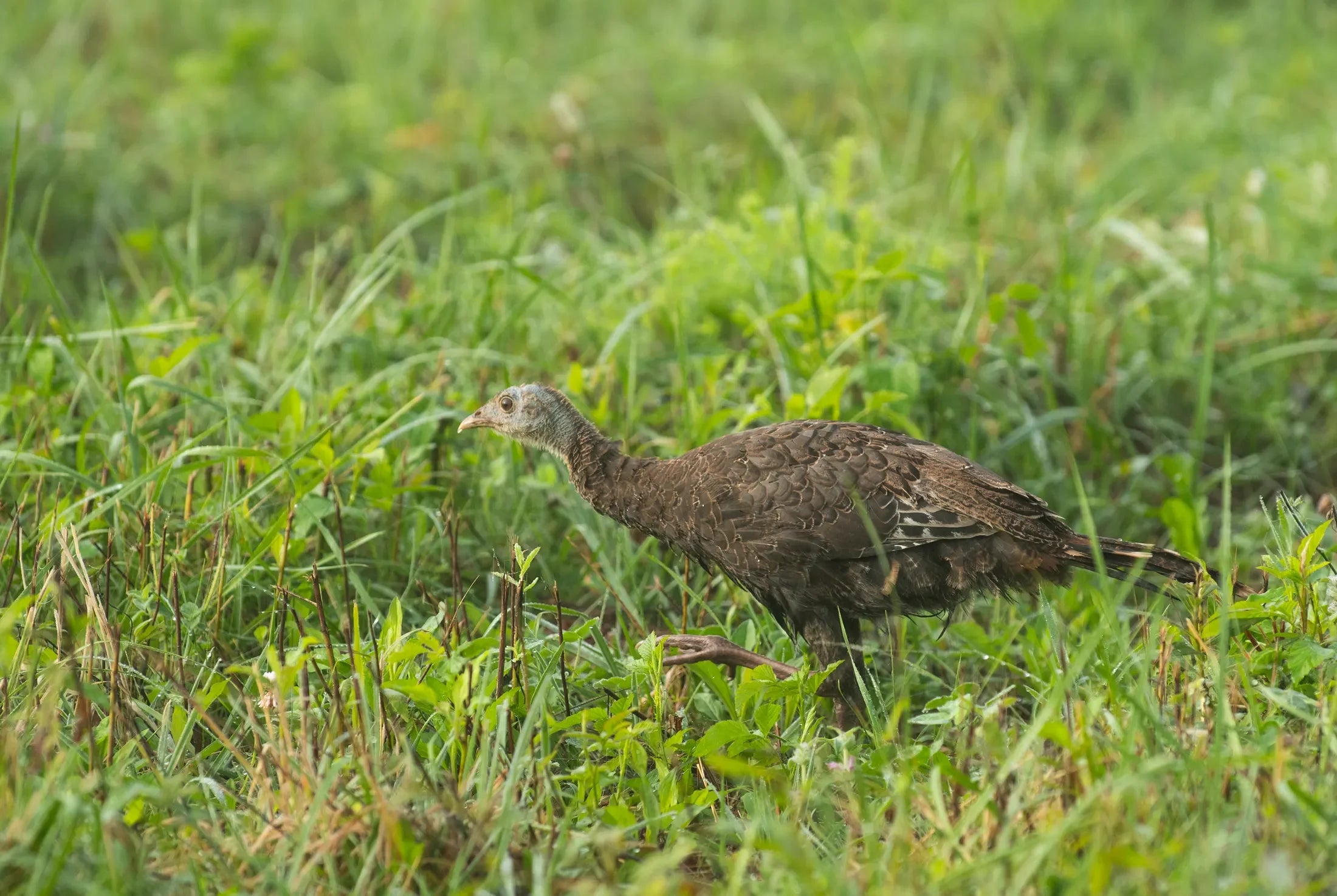
Spring brings courtship and nesting. A hen lays her clutch over roughly two weeks, then incubates for about four weeks. Poults leave the nest soon after hatching and follow their mother, finding insects and shelter as they grow. Families may join together during summer; larger flocks form outside the breeding season.
What it needs
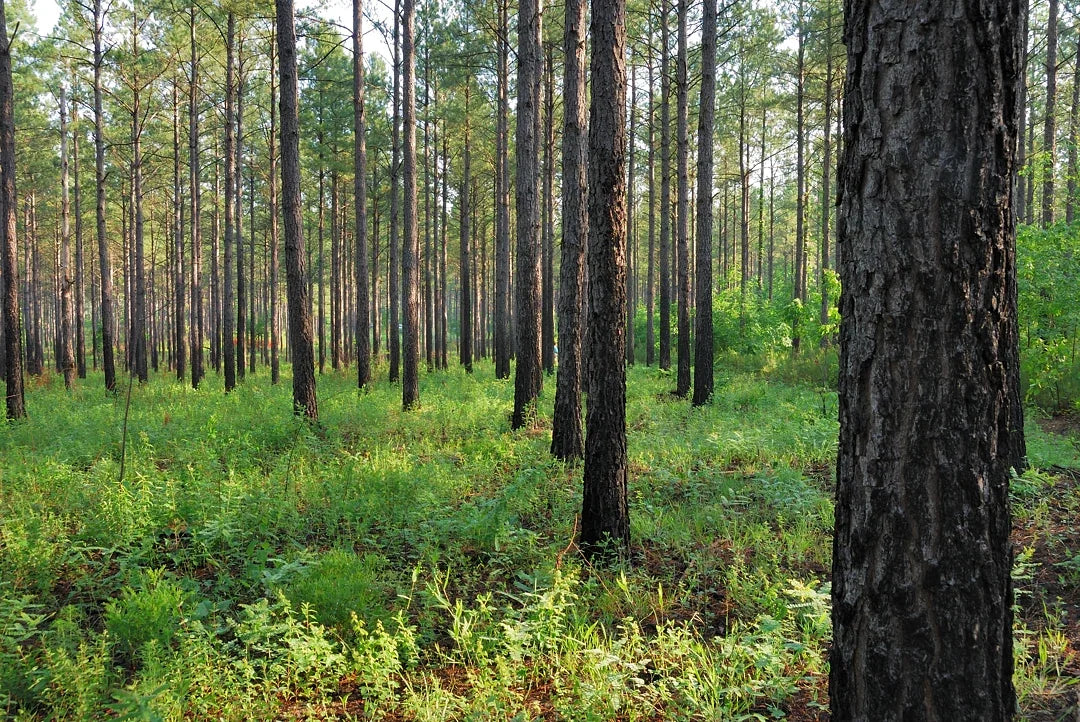
Food, water, nesting cover, brood habitat and trees for roosting. Poults need insect-rich vegetation with room to move at ground level and cover above them. The arrangement of these habitats matters as much as their total area.
What threatens it
Poor reproduction and survival can reduce turkey populations. Researchers are examining the effects of habitat, predators, weather, disease, food and management timing. Their importance varies among places and years; no single explanation accounts for every decline.
Where it stands
Wild turkeys recovered across much of North America after severe losses in the nineteenth and early twentieth centuries. Some regions now report declines in harvest or reproduction, while others show different trends. TFT supports research to understand those local patterns and guide conservation.